
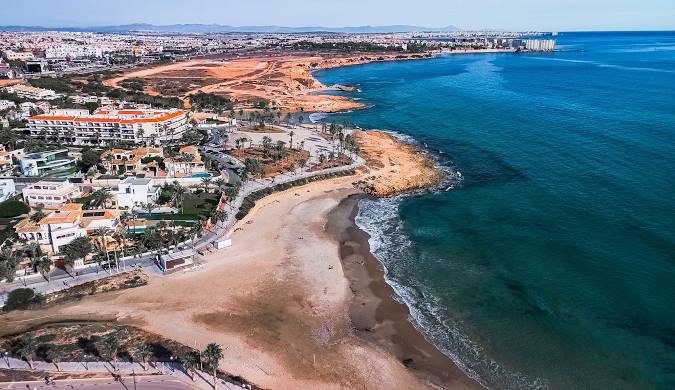
Picturing a sun-drenched second home, just minutes from a Mediterranean beach, is a dream shared by many. On the Costa Blanca, between turquoise waters and charming villages, buying a house in Spain attracts many buyers from abroad every year. But turning this dream into reality takes rigour, preparation and accurate information to avoid any disappointment. Here is our complete guide, designed to take you step by step towards a secure property purchase in Spain.
Why choose the Costa Blanca for your property project
Choosing to buy property on the Costa Blanca means choosing a region where quality of life shapes everyday living. The sunny climate (about 2,850 hours of sunshine a year in Alicante according to AEMET climate normals) makes this investment attractive all year round. Whether you want to live there, work remotely or enjoy extended stays, the mild weather adds lasting value to the property you buy.
Understanding when to visit or stay is equally important. Discover the best areas to buy on the Costa Blanca by season to truly experience the region before committing to your purchase.
Compared with other European coastal areas, the Costa Blanca also stands out for its excellent accessibility. With direct flights to several Belgian cities, it offers the perfect balance between proximity and a change of scenery. In terms of price, the gap with the French Riviera or Portugal’s seaside resorts remains significant, giving access to spacious homes at reasonable prices, often with a pool or garden.
What are the steps and procedures for buying in Spain?
Embarking on a property purchase in Spain means following a series of structured steps. Understanding each of them clearly will ensure a smooth path towards the property you have set your heart on. The first phase is to define your budget precisely and map out your real needs: floor area, features, location, seasonal or year-round use.
Depending on your project and lifestyle, you may be hesitating between a villa and a home in town. If city life appeals to you more, discover our selection of apartments on the Costa Blanca, which offer convenience and direct access to coastal shops and leisure activities.
To move forward efficiently, we recommend reading our complete Costa Blanca villa guide, which sums up all the essential steps to address before finalising your purchase.
Financing must be planned ahead. This means either obtaining a local loan or using your own funds. Spanish banks often require a minimum down payment, generally 30 to 40% for a non-resident. This step greatly influences the pace of the following stages and determines the type of property within your reach.
Getting your NIE: why is it essential?
Obtaining the NIE (foreigner identification number) is the first administrative step to take. This personal number is absolutely necessary to sign the preliminary agreement (the reservation), open a Spanish bank account, pay the taxes linked to the purchase and complete any formality relating to local property.
You obtain this document from a Spanish consulate (in Belgium, for example) or, in Spain, from the Policía Nacional, by appointment; there is no official processing time and waiting times range from a few days to several weeks depending on appointment availability. Guidance from an agency working in French, Dutch, English or Spanish makes it much easier to put the file together.
Which documents should you prepare for a stress-free purchase on the Costa Blanca?
Preparing the paperwork requires extra care. In addition to the NIE, buyer and seller will need to provide:
A title deed, an energy certificate for the property, a statement of community (owners’ association) charges, the latest utility bills and an extract from the land registry are among the items to gather. Each one ensures the traceability of the property on offer and prevents the later discovery of an undisclosed dispute. Finding out exactly about the mistakes to avoid also helps make every step of your file more reliable and ensures a journey without major obstacles.
Managing the essential checks and verifications
Securing the purchase always involves thorough checks before signing anything. In Spain, some pitfalls lie in hidden debts or undisclosed occupancy rights. The independent lawyer we recommend carries out a full legal analysis beforehand.
Before the purchase agreement, the lawyer checks the mortgage status of the property and examines its administrative compliance (occupancy certificate, building permit, absence of planning violations). This avoids any unpleasant surprise at the crucial moment of the transfer of ownership. Those who wish to delegate this procedure can also choose to buy safely through a power of attorney, especially when they cannot travel to Spain for every key step.
How to avoid the main mistakes when buying property in Spain?
Among the pitfalls to avoid, underestimating the total additional costs comes up frequently. On top of the advertised price, you need to budget for:
- Notary fees
- Purchase taxes (ITP, or VAT + AJD on new builds)
- Land registry and gestoría fees
- Community charges
Depending on the region and the type of property, these costs generally amount to around 10 to 13.5% of the purchase price (indicative, 2026).
Another classic mistake: overlooking the need to have contracts translated by an accredited professional, which can compromise your proper understanding of the commitments made during the transaction.
Legal security: how do you get it?
Entrusting the coordination of the project to a trusted agency that supports you in French, Dutch, English or Spanish makes the whole process more reliable. This partner knows local legislation, selects reliable contacts and follows the file through to signing at the notary. In addition, the agency often offers after-sales assistance to help you take possession of the property.
The independent lawyer we recommend checks the validity of the title deed, the release of any mortgages and the property’s tax position. Each step is clearly validated in writing, which limits the risk of future disputes.
Personalised support from an agency in Spain working in French, Dutch, English or Spanish
Being surrounded by English-speaking professionals specialising in property purchases in Spain radically simplifies managing your project. This tailored support optimises each step and considerably shortens timescales, especially when negotiating with local sellers or navigating Spanish administration.
The agency supports you from identifying properties through to the final signing. It also organises viewings, translates all key documents and answers every question about checks, technical inspections or legal security. This reassuring presence limits back-and-forth trips and keeps the experience human above all.
Preparing calmly for your move to the Costa Blanca
Beyond the purely financial or administrative side, it is about considering every practical aspect of the future move. Help with setting up water/electricity contracts, passing on contact details of local associations, guidance on schools or advice on getting around are all personalised services included in what some agencies offer.
Financing and budget: what options are available?
Assessing your budget means taking into account current interest rates in Spain, but also in Belgium for Belgian residents if a cross-border loan makes sense. Local banks rarely agree to lend without solid guarantees, so having a certificate of down payment or prior savings greatly speeds up the procedure.
For cash purchases, speed of execution is an undeniable advantage when seizing an exclusive opportunity, sometimes subject to time-limited conditions. It is therefore best to validate your budget strategy in advance by talking to a specialist adviser.
Your frequently asked questions about buying property in Spain: a practical guide for international buyers
What are the main documents needed to buy a house on the Costa Blanca?
The documents required include, among others, obtaining the NIE, the current title deed, an energy certificate, an extract from the land registry and the latest utility payments. Buying in Spain also requires a Spanish bank statement, and sometimes a certified translation into your language, depending on the bank or notary chosen.
| Document | Description |
|---|---|
| NIE | Mandatory tax number for foreign nationals |
| Title deed | Proof of the seller’s ownership |
| Energy certificate | Official assessment of the property’s performance |
What are the essential steps to secure a property purchase in Spain?
To guarantee legal security and avoid pitfalls, every buyer should:
- Obtain the NIE as a priority.
- Have the property legally checked (no mortgage, planning compliance).
- Sign a clear sales agreement after checking all key documents.
- Complete before the notary with official payment of the balance due.
Working with an estate agent or an agency that supports you in French, Dutch, English or Spanish secures every step.
How much should you budget for additional costs when buying property in Spain?
Depending on the type of property and its location, notary and land registry fees, purchase tax (ITP on a resale, VAT + AJD on a new build) and gestoría fees generally represent around 10 to 13.5% of the purchase price (indicative, 2026). Here is a summary table:
| Cost | Estimated amount (indicative, 2026) |
|---|---|
| Notary | official tariff, about €700 to €1,000 for €250,000 |
| Purchase tax | ITP 9% (Alicante) or 7.75% (Murcia); new build: 10% VAT + 1.4 to 1.5% AJD |
| Agency commission | usually paid by the seller (new build: by the developer) |
Plan a sufficient budget covering the purchase itself, surveys and home insurance.
Why get support from an agency working in French, Dutch, English or Spanish when buying property on the Costa Blanca?
Working with an agency that speaks your language saves you from costly mistakes caused by unfamiliarity with the Spanish language, customs and legislation. As well as coordinating appointments, it provides accurate translation, refers you to an independent lawyer for the legal checks and supports your property project at every step. This support brings peace of mind, foresight and time savings throughout the buying process.
Before buying, it can be wise to visit the region at different times of the year. Read our guide on the best time to visit Alicante to confirm that the climate and atmosphere match your vision of the property project.
Related articles
- Costa Blanca property prices by area, Valencia vs Murcia costs and a purchase plan
- Buying agent on the Costa Blanca: what they do, what they cost and how to choose one
- Buying a house on the Costa Blanca: complete guide to buying in Spain in 2026
- Choosing a multilingual estate agency with local roots on the Costa Blanca